

Role of local guides on adventure trips: why they matter
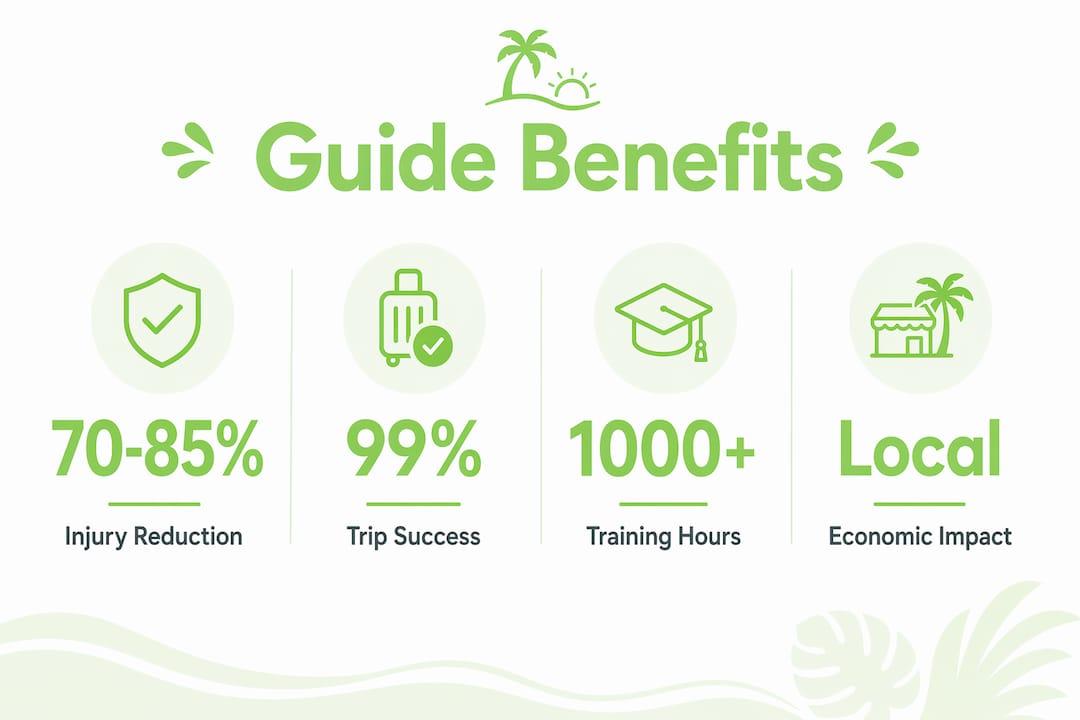
A local guide is defined as a certified professional who manages safety, interprets culture, and coordinates logistics on adventure trips. The role of local guides on adventure trips goes far beyond pointing out landmarks. Certified guides reduce injury rates on adventure trips by 70–85% compared to unsupervised activities. That single statistic reframes the entire conversation. A good local guide is not a luxury. They are the difference between a trip that goes smoothly and one that does not. Qbictravel’s guides in Phuket embody exactly this standard, combining technical expertise with deep cultural knowledge to give adventure travellers a genuinely immersive experience.
What key functions do local guides perform on adventure trips?
The role of guides in exploration covers four core areas: safety management, cultural mediation, logistics, and environmental stewardship. Each one is distinct, and each one matters.
Safety and risk assessment
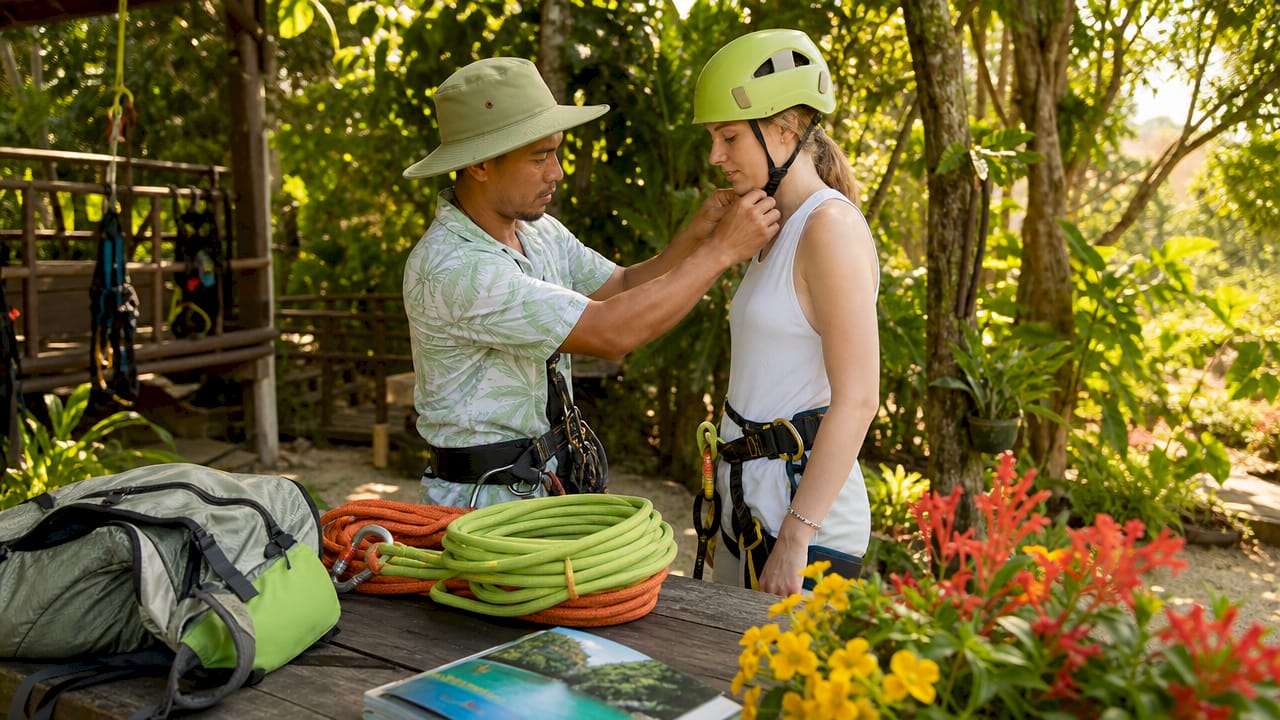
Local guides assess terrain, weather, and group fitness before any activity begins. Guided tours report incident rates below 1% and completion rates above 95% in specialist adventure environments. That is not luck. It is the result of trained professionals reading conditions in real time and making decisions that keep groups safe. On an ATV trail or a jet ski route in Phuket, that kind of situational awareness is worth everything.
Cultural translation beyond language
Most travellers assume guides exist for safety. That is a misconception. Local guides act as cultural mediators, providing insights into rituals, social cues, and history that independent travellers simply miss. A guide in Thailand does not just tell you what a temple is. They explain why shoes come off before the threshold, what the offerings mean, and how to behave respectfully without being told. That depth of understanding transforms a sightseeing stop into a genuine encounter.
Pro Tip: Ask your guide one specific question before the trip starts, such as “What is one thing most visitors get wrong here?” The answer will tell you immediately how deep their cultural knowledge runs.
Logistics and group coordination
Local guides handle the invisible work that makes a trip feel effortless. They know which ferry captain is reliable, which trail floods after rain, and which vendor is worth stopping at. True local expertise is built on long-term community relationships and insider logistics knowledge that no generic operator can replicate. That kind of access is not on any map.
Environmental stewardship
Local guides actively protect the places they work in. They redirect groups away from fragile ecosystems, enforce leave-no-trace principles, and explain why certain areas are off limits. This is not just good practice. It is part of what adventure guides do as educators on sustainability, linking enjoyment with real learning about biodiversity and climate preservation.
How do local guides enhance safety and quality during adventure travel?
The safety case for local guides is backed by hard data, and the quality benefits follow directly from the same expertise.
Certification standards and training hours
Certified adventure guides complete over 1,000 hours of training in safety protocols and ecological knowledge. That training covers first aid, technical skills, and environmental awareness. It is not a weekend course. Guides who hold official national tourism certifications, such as those issued by Costa Rica’s ICT, meet a standard that casual operators cannot match. When you book with a certified guide, you are booking someone who has been tested under pressure.
Emergency management in the field
Trained guides do not just prevent accidents. They manage them when they happen. A certified guide on a jungle trek or a coastal jet ski tour knows how to stabilise an injury, communicate with emergency services, and keep a group calm. That capability matters most in remote locations where help is not close. The combination of an external tour leader with a local guide creates balanced trips that optimise both logistics and deep cultural context, which is why many specialist operators use this pairing.
Trip quality and completion rates
| Metric | With certified local guide | Without guide |
|---|---|---|
| Incident rate | Below 1% | Significantly higher |
| Trip completion rate | Above 95% | Lower, varies by activity |
| Cultural engagement | Deep, contextual | Surface level |
| Environmental compliance | Actively enforced | Inconsistent |
The data tells a clear story. Guided adventure travel is not just safer. It is more complete. Travellers who book with certified local guides consistently report higher satisfaction because the experience is managed from start to finish by someone who genuinely knows the terrain, the culture, and the risks.
In what ways do local guides contribute to economic and cultural sustainability?
Hiring a local guide is one of the most direct ways to support the communities you visit. The economic and cultural benefits are concrete, not abstract.
Keeping money in the local economy
Hiring local guides ensures a higher percentage of tourism expenditure remains in the local community. When you book through a large international platform, a significant portion of your spend leaves the destination immediately. When you hire a local guide directly or through a locally based operator like Qbictravel, that money circulates within the community. It pays for local families, local businesses, and local infrastructure.
The cultural benefits are equally tangible:
- Local guides help preserve traditional crafts by directing visitors to authentic artisans rather than mass-produced souvenir shops.
- They protect ancestral sites by managing visitor behaviour and explaining cultural significance.
- They redirect tourist footfall away from over-visited spots, reducing erosion and crowding at fragile locations.
- They act as filters against what researchers call “digital monoculture,” where every traveller follows the same algorithm-driven itinerary and misses everything else.
Advocacy for biodiversity and climate awareness
Adventure guides serve as educators on the climate emergency, connecting the enjoyment of a place with an understanding of what threatens it. A guide who points out a bleached coral reef and explains why it happened is doing something no travel app can do. They make the abstract personal. That kind of education changes how travellers behave, not just on that trip, but on every trip afterwards.
The role of customer service in hospitality increasingly includes this educational dimension. Hotels and resorts that partner with certified local guides report stronger guest satisfaction because travellers leave feeling they understood the place, not just visited it.
What practical tips should adventure travellers follow when choosing a local guide?
Choosing the right guide is a skill. These steps will help you get it right.
-
Prioritise certified guides. Look for official national tourism authority credentials. Certification standards include first aid, technical skills, and ecological knowledge. A guide who cannot show credentials is a guide who has not been tested.
-
Use personal referrals over online reviews. Personal referrals from trusted advisors and local tourism boards are more reliable than star ratings alone. Large-group operators often cater to the lowest common denominator, while a personally recommended local guide offers flexibility and a genuinely personalised experience.
-
Understand the difference between a local guide and an external tour leader. An external tour leader manages group logistics and itinerary flow. A local guide provides on-the-ground cultural and environmental expertise. Combining both roles creates the most complete adventure travel experience.
-
Communicate your preferences clearly before you book. Tell your guide what you want from the trip. Do you want more cultural depth? More physical challenge? More time at a specific location? A good local guide will adapt. A generic operator will not.
-
Check for community connections. The best guides have long-standing relationships with local communities. Deep local expertise is built on community trust and insider knowledge. Ask your guide how long they have worked in the area and who they know locally. The answers reveal a great deal.
Pro Tip: Before booking, ask the operator whether your guide was born or raised in the area. A guide with genuine roots in the community will always offer richer cultural insight than one who relocated for the tourism season.
You can also read about safety protocols in guided ATV tours to understand how professional guides structure risk management on specific adventure activities.
Key takeaways
Local guides are the single most important factor in making adventure travel safe, culturally rich, and genuinely sustainable.
| Point | Details |
|---|---|
| Safety impact is measurable | Certified guides reduce injury rates by 70–85% and achieve trip completion rates above 95%. |
| Cultural value exceeds safety | Guides translate rituals, social cues, and history that independent travellers consistently miss. |
| Economic benefit is direct | Booking local guides keeps tourism spending within the community rather than leaving with global platforms. |
| Certification signals quality | Guides with over 1,000 hours of official training in safety and ecology are the benchmark to seek. |
| Referrals beat reviews | Personal recommendations from trusted sources and local tourism boards outperform online ratings for guide selection. |
Why I think most travellers underestimate their local guide
Most adventure travellers book a guide for safety and then treat them like a GPS with legs. That is a waste of one of the best resources available to you.
The guides I have worked alongside in Thailand know things that no travel blog will ever publish. They know which beach is empty on a Tuesday because the fishing boats leave early. They know the family who makes the best fish sauce in the village and will invite you in for tea if you show genuine interest. They know when a trail looks passable but is not, and they will turn the group around without drama because their reputation depends on everyone coming home safely.
The certification matters, yes. Over 1,000 hours of training in safety and ecology is not nothing. But the real value is the accumulated knowledge that sits on top of that training. It is the kind of knowledge that only comes from years of showing up, building trust, and paying attention.
What I have found is that the travellers who get the most from a local guide are the ones who treat them as a collaborator rather than a service provider. Ask questions. Follow their lead when they suggest a detour. Let them introduce you to someone. The itinerary is a starting point. The guide is the experience.
The sustainability angle is also something I feel strongly about. A good guide does not just protect you from the environment. They protect the environment from the volume of visitors passing through it. That is a role that deserves far more recognition than it currently gets. If you care about the places you visit still being there in twenty years, booking a certified local guide is one of the most practical things you can do.
— Carl
Qbictravel’s guided adventures in Phuket
Qbictravel pairs every adventure with certified local guides who know Phuket’s terrain, culture, and conditions inside out. Whether you are after the thrill of a jet ski tour in Phuket, the adrenaline of an ATV ride through jungle trails, or a cultural city tour that goes beyond the usual stops, every experience is built around expert local knowledge and genuine safety standards.
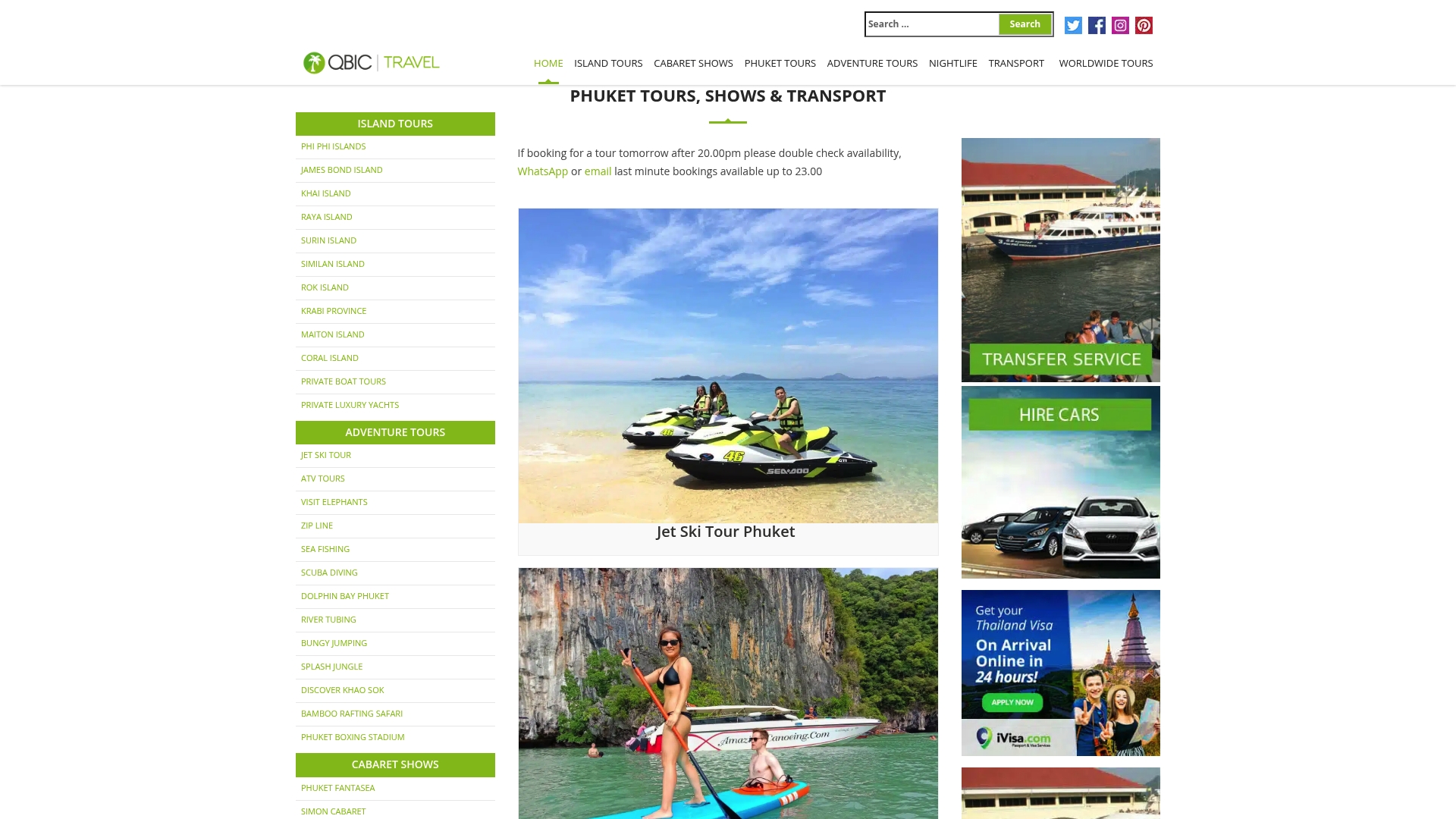
Qbictravel holds a 4.5-star rating from 237 verified reviews and reports 99% issue-free services, confirmed by Trustindex. That track record comes directly from the quality of the guides behind every tour. You can browse the full range of guided adventures in Phuket and book online with confidence that your guide knows exactly what they are doing.
FAQ
What is the main role of a local guide on an adventure trip?
A local guide manages safety, interprets culture, and coordinates logistics. Their primary value lies in cultural translation and risk management, not just navigation.
How much safer is adventure travel with a certified local guide?
Certified local guides reduce injury rates by 70–85% compared to unsupervised activities, with guided tours reporting incident rates below 1%.
How do I find a trustworthy local guide?
Personal referrals from trusted advisors and local tourism boards are more reliable than online reviews alone. Look for official national tourism certification as a baseline indicator of quality.
What is the difference between a local guide and a tour leader?
A tour leader manages group logistics and itinerary flow. A local guide provides cultural and environmental expertise specific to the destination. Pairing both creates the most complete adventure experience.
Why does hiring a local guide benefit the local community?
Booking a local guide keeps a higher proportion of your tourism spend within the destination community. It also supports cultural preservation, protects traditional crafts, and reduces pressure on over-visited sites.


